
Vitamins & Supplements for the Peri Years
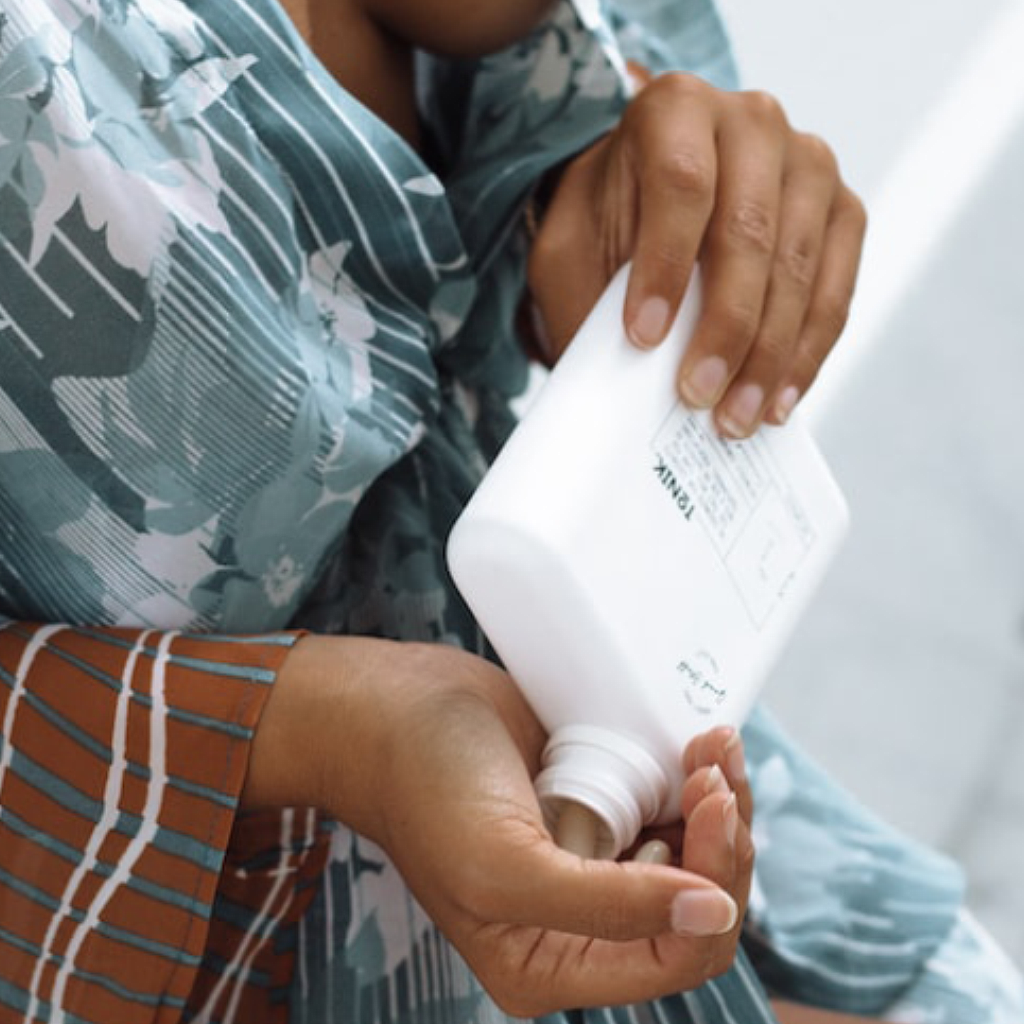
I tend to get overwhelmed and a little confused by what I should take additionally in the form of vitamins and supplements, and I used to think for a long while, that supplements and vitamins were pretty much the same thing. It wasn’t until I spoke to a doctor during lockdown about a supplement I was thinking of taking, that I became aware that there was indeed a difference. Vitamins and supplements are both great for maintaining overall health and wellbeing.
Vitamins are essential nutrients that occur naturally in food and are essential for body functioning, while Supplements, are products that provide a concentrated source of vitamins, minerals, herbs, or other nutrients.
The benefits of taking vitamins
Vitamins help to support the body’s normal functions, such as boosting immunity and providing energy and can also help to protect against certain illnesses, such as colds and flu, they can also help to improve our skin, hair, and nail health, and help to maintain healthy bones, as well as aid in proper brain and nerve functioning. Taking daily vitamins can help to ensure that our body is getting all the essential nutrients it needs to stay healthy especially during peri and menopause.
The benefits of supplements
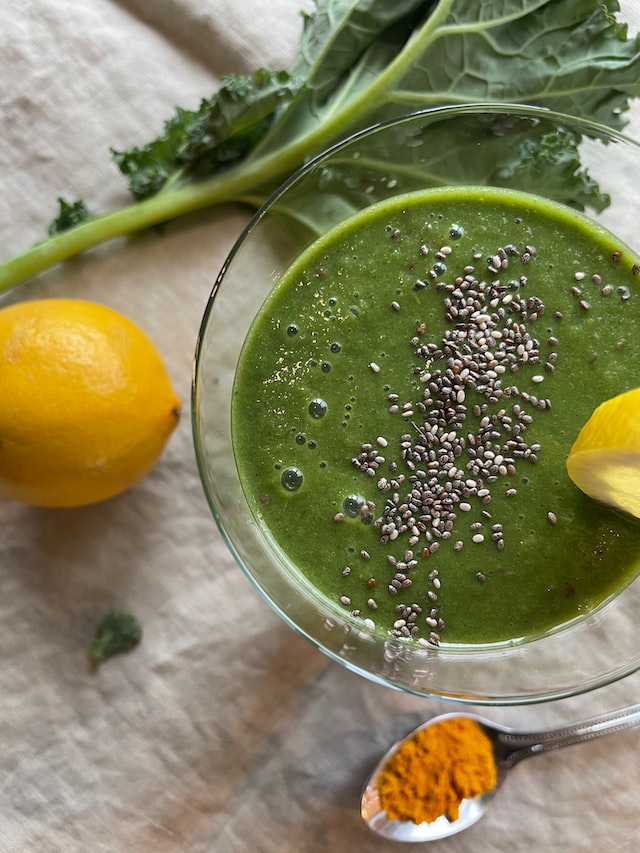
The type and number of supplements we take should be tailored to our individual needs. Before taking supplements, it is important to discuss them with our GP or healthcare professional to ensure they are safe and effective for us, as some supplements can interact with medications, so it is important to be aware of any potential risks.
Additionally, it is important to research and choose high quality clean supplements and vitamins without fillers or binders to ensure that you are getting a safe and effective product.
5 Of The Best Vitamins and Supplements for Midlife Women:
- Vitamin D
Why it matters:
Vitamin D supports bone density, immune health, and mood regulation. Deficiency is common in perimenopausal and menopausal women, particularly in areas with limited sunlight.
May help with:
• Bone loss and osteoporosis risk
• Low mood
• Immune function
Tip: Food sources that contain Vitamin D include: Oily fish (Salmon, Sardine, Trout, Mackerel) Red Meat, Egg Yolks, fortified foods and Liver
Vitamin D3 is the most effective form. It works best alongside calcium.
- Calcium
Why it matters:
Estrogen plays a role in maintaining bone strength. When estrogen declines, bone loss accelerates, increasing the risk of fractures.
May help with:
• Bone health
• Osteoporosis prevention
Tip: Food sources that contain Calcium: leafy greens, dairy, fortified plant milks Fish such as Sardines and Pilchards
Aim to get as much calcium as possible from food
- Magnesium
Why it matters:
Magnesium is commonly deficient in adults.
May help with:
• Sleep quality
• Muscle tension and cramps
• Anxiety and stress
• Bone health
Food sources that contain magnesium include: Spinach, Nuts, Chia seeds and Wholemeal bread
Best forms: Magnesium glycinate or citrate are generally well absorbed.
- Omega-3
Why they matter:
Omega-3s are anti-inflammatory fats essential for heart, brain, and joint health — all areas affected during menopause.
May help with:
• Mood swings and low mood
• Joint pain
• Cardiovascular health
• Hot flush severity (in some women)
Sources: Fish oil or algae oil (vegan).
- Probiotics
Why they matter:
Gut health influences digestion, immunity, inflammation, and even hormone metabolism.
May help with:
• Digestive changes
• Bloating
• Immune support
• Weight management
*Disclaimer
• Supplements and Vitamins should not replace medical advice.
• Always consult a healthcare professional before starting any new supplement — especially if on medications or with health conditions.
• Quality and regulation of supplements vary — choose reputable brands.
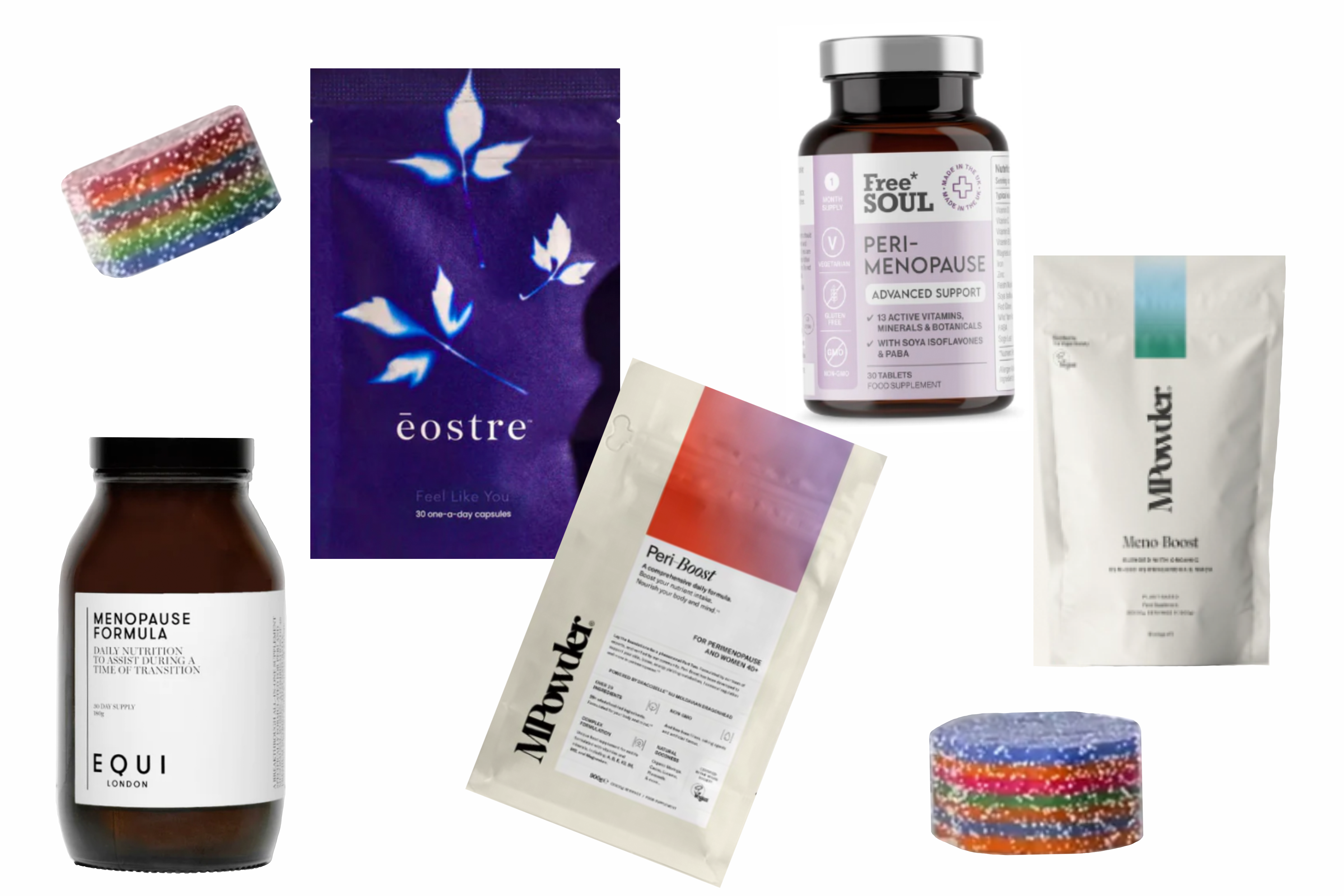
Looking forward to trying
Both vitamins and supplements can help to ensure an adequate intake of nutrients, and they can be used to help fill in nutritional gaps in our diet, but it’s also important to remember that vitamins and supplements are not intended to replace a healthy, balanced diet.
It’s refreshing and great to see that there are many new peri and menopause focussed vitamins, supplements, teas, drinks and more coming on to the market, which I find exciting and I’m glad that peri and menopause is being given the attention it truly needs, so that we no longer suffer as women have done throughout time.