

Top 23 Perimenopause Symptoms
Just How Many Perimenopause Symptoms Are There?
No one really explains to you beforehand, all that you could go through during perimenopause, or as it was referred to years ago…simply, “menopause”, without acknowledgment of the main peri part!
They may have mentioned the hot flushes or feeling low, but that seemed to be it!
These last few years have put the whole menopause chapter under scrutiny, and really highlighting all the different things women are dealing with, while trying to keep everything together, functioning fully on a daily basis, trying to be strong and carrying on as they have done in the past, when inside wondering, is this normal? Am I imagining this? Or why don’t I feel like I used to?
Issues women had mentioned previously, that were dismissed, are now being listened to and have been listed as a symptom; we’re not saying that every woman who goes through perimenopause experiences all of these symptoms, as you can go through perimenopause symptom free, or only ever experiencing one symptom, but it’s useful to see some of the symptoms listed together, it may help you feel not so alone.
Do remember with any symptom that you are experiencing and worried about, it’s advised that you speak to a healthcare specialist to rule out anything that could be an underlying issue to something else that needs to be investigated.
Depending on how symptoms are summerised you can find lists ranging from around 20 – 40+ and there isn’t a medically accepted checklist where having a certain number means you’re in perimenopause.
The following, lists some of the changes associated with menopause symptoms categorised into sections. Not everyone gets these, and some symptoms can be due to causes other than perimenopause, so view these as a guide, rather than a diagnostic checklist.
Period & Hormonal Changes
- Irregular Periods
- Periods coming closer together
- Periods becoming further apart
- Skipped periods
- Heavier bleeding
- Lighter bleeding
- Longer or shorter periods
- More noticeable PMS
- New or worsening menstrual cramps
- Breast tenderness
Temperature & Sweating
- Hot flushes
- Night sweats
- Chills or sudden cold sensations
- Increased sweating
- Brain & cognition
- Brain fog
- Forgetfulness
- Difficulty concentrating
- Losing your train of thought
- Difficulty finding words
- Feeling mentally slower
- Reduced ability to multitask
Sleep & Energy
- Difficulty falling asleep
- Waking during the night
- Poor-quality sleep
- Night-time waking because of sweating
- Fatigue
- Reduced energy
- Feeling exhausted despite sleeping
Mood & Emotional Wellbeing
- Irritability
- Anxiety
- Feeling more emotional
- Low mood
- Feelings of self-doubt
- Mood swings
- Tearfulness
- Feeling overwhelmed more easily
- Reduced stress tolerance
- Loss of confidence
- Changes in motivation
Physical Symptoms
- Headaches
- Migraines or changes in migraine pattern
- Changes in your vision
- Joint aches
- Muscle aches
- Back pain
- Stiffness
- Dizziness/light-headedness
- Heart palpitations
- Bloating
- Digestive changes
- Changes in weight or body shape
Skin, Hair & Body Changes
- Dry skin
- Itchy skin
- Changes in skin texture
- Acne
- Hair thinning
- Increased facial hair
- Brittle nails
- Changes in body odour
- Dry eyes
- Dry mouth
Sexual & Vaginal/Urinary Symptoms
- Reduced or increased libido
- Vaginal dryness
- Vaginal irritation
- Vaginal discomfort
- Pain during sex
- Reduced sexual arousal
- Changes in orgasm
- Urinary urgency
- Needing to urinate more frequently
- Recurrent urinary tract infections
Other Symptoms Some Report
- PMS becoming much worse
- Feeling “not quite yourself”
- Increased sensitivity to alcohol
- Increased sensitivity to caffeine
- Changes in appetite
- Changes in body temperature regulation
- Tingling or unusual sensations
- Restlessness
- Feeling more easily overstimulated
Tips to Help Ease Menopause Symptoms

Period & Hormonal Changes
Keep hydrated, drinking around 2 litres of water a day, eating foods that have a high-water content. Taking high quality vitamins and/or supplements and limiting your sugar intake. Keeping your diet clean and eating fresh foods containing lean protein, healthy fats, and fibre while minimising the amount of processed foods you consume.
Temperature & Sweating
Dress in breathable layers, whenever possible, that can be easily removed. Try and sort out the route of your stress, so that you can better manage your triggers and reduce your stress levels.
Avoid drinking too much alcohol as this can increase your body temperature and add to you feeling irritated. Practice deep breathing and breath work during a hot flush episode. Find a fitness activity that gets your body moving and something that you can commit to regularly. Sipping cold water can help to calm you down and help to soothe you.

Brain & Cognition
Make to do lists to keep you focussed, it will help you feel more in control if you’re not wondering if there’s anything you’ve forgotten, also try to limit the number of tasks you do in a day, this will avoid feeling overwhelmed if you’re unable to complete them all.
Make your sleep a priority by keeping a regular sleep schedule,
Eat a balanced diet that contains protein, Omega 3 enriched foods, fibre and vegetables.
Do puzzles or learn something new, like a different language to keep your brain active and energised.
Sleep & Energy
Avoid heavy meals last thing at night, give your body time to relax before settling down for the night, without feeling bloated or uncomfortable.
Maintain a consistent sleep schedule and cut off screen time up to an hour before bed. Make drinking a calming drink/tea containing Chamomile or lemon balm in the evening part of your wind down routine.
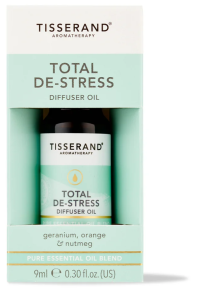
Turn on a diffuser an hour before you go to bed to clear the air and fill it with a subtle, calming, aromatherapy oil scent, my favourite is the Tisserand Aromatherapy Total De-Stress diffuser oil, which smells gorgeous and makes your bedroom smell like an exclusive spa!
Create a dark, cool relaxing space, lightly spray your pillows with a sleep spray which also helps with your winding down process.
Mood & Emotional Wellbeing
Meditating daily calms your mind and lets you start the day from a relaxed state. Sit up in bed and listen to a guided meditation, the calming affect that this brings you, relaxes your mind and prepares you for the day ahead. Journalling your thoughts the night before or in the morning, can also help.
If you feel as though you need someone to talk to about how you’re feeling, and what you’re going through, you may find that talking to a qualified Councillor, Therapist, or Coach may help you. Support groups are also a good choice if you prefer to talk with a group of women going through similar, or the same issues as you, some find being in a group more comfortable and helps you not feel so alone.
With the changes in skin, hair & body, it’s best to avoid over washing your hair and using harsh shampoos. Protect your skin from sun damage by using SPF creams and use natural oils for your skin and scalp care, when a more intense moisture boost is needed.

Self-care & Lifestyle
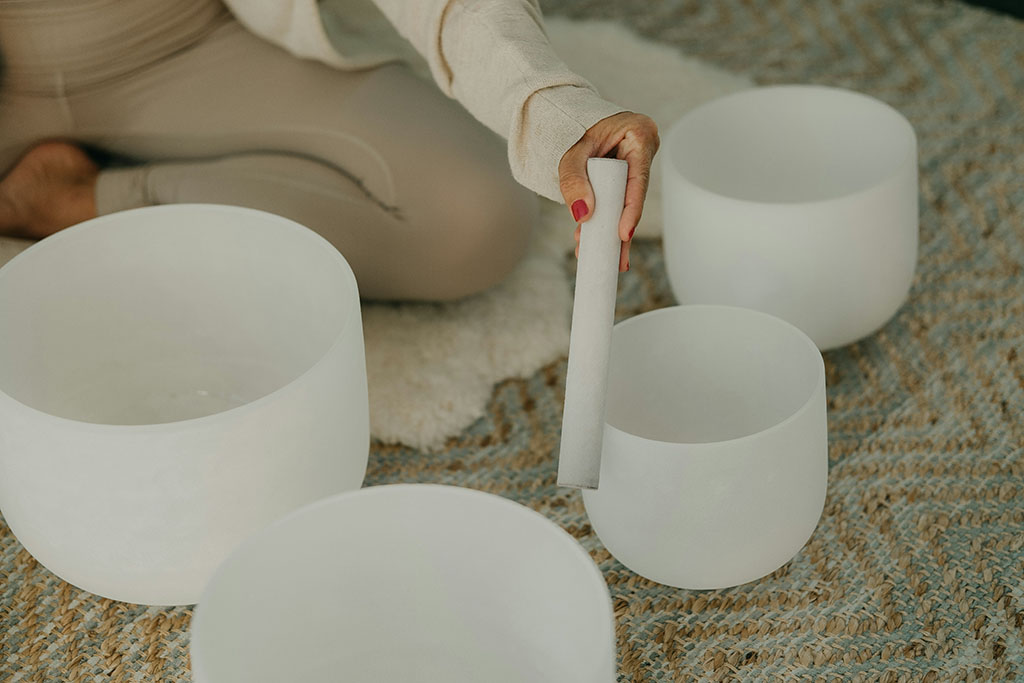
Above all prioritise your self-care! Don’t feel guilty for taking time for yourself, say no without feeling guilty and set boundaries, this helps to reduce your stress levels. Take the time to do activities that make you feel good; move your body, go to an art class, attend a sound bath session, or have a massage, the self-care list is endless!
Spend time with your friends and family, being around people who make you feel good is a great way to lift your mood and makes you feel loved and ready to take on challenges you may be experiencing, their support is valuable.

Mindset & Wellbeing
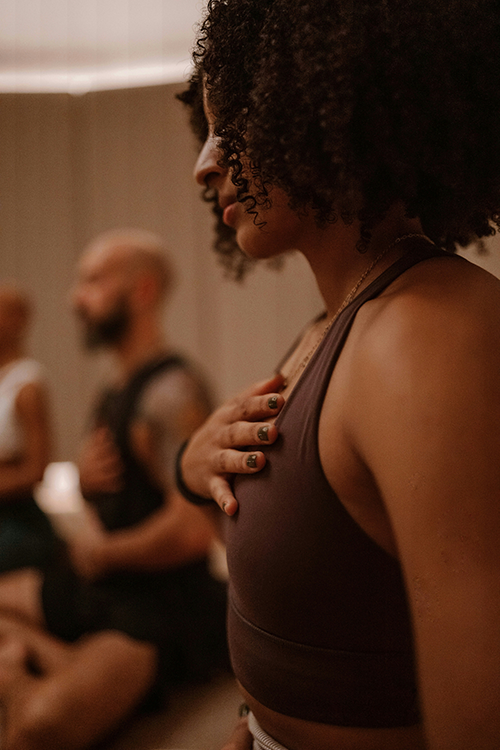
View menopause as a new stage in life. Speak kindly about and to yourself!
Try to avoid watching or listening to disturbing or sad things, lift your mood with uplifting books, feel good music or films. keep a gratitude journal to remind you of the good things if you’re feeling low. Celebrate your body and your strength.
Important: Having several of these doesn’t automatically mean perimenopause. Symptoms such as fatigue, anxiety, palpitations, brain fog, changes in bleeding, and sleep problems can also occur with conditions such as thyroid disorders, anaemia, medication effects, stress, or other health problems.
Very heavy bleeding, bleeding between periods or after sex, or bleeding after 12 months without a period should be medically assessed rather than simply attributed to perimenopause.
Disclaimer: These articles are for general information purposes only. The information contained in this article is not a substitute for medical advice – always consult a licensed healthcare professional for advice on your specific condition
Disclosure: Some links in this article are affiliate links, meaning I may earn a commission if you make a purchase through them, at no additional cost to you.