How To Have The Best Hair During Perimenopause
Perimenopause hormonal shifts affects our body in ways both expected and surprising. While meno belly and hot flushes are widely talked about, one of the most distressing but rarely discussed symptoms is the change some of us experience with our hair; Your hair goes from being manageable, looking sleek and feeling nourished; to being dry, brittle, with some noticing thinning in areas, or generally a loss in the overall lustre of how our hair once looked and felt before.
As if we didn’t have enough on our plate with all the other changes going on in our bodies, here comes peri with something else for us to have to deal with.
What Happens to Our Hair in Perimenopause
With estrogen and progesterone levels declining, they no longer provide the same level of protective and growth stimulating effects on the hair. Androgens (a hormone men and women produce) becomes more dominant, which can shrink the hair follicles. Perimenopausal hair changes are frustrating, but they’re not permanent, and there are things you can do to help boost your scalp and hair health!
Changes in Your Hair That You May Be Experiencing
- Hair feeling drier, brittle or generally harder to manage
- Scalp feeling more itchy, more sensitive, or you now find your hair reacting slightly differently to products you’ve always used
- Loss in the volume and body
- Change in texture – some women find that their hair becomes coarser, wavier, curlier, or flat
- More shedding than you used to have – hair on your pillow, more hair in the plug hole, or noticing more clumps when you run your fingers through your hair
- Hair thinning, scalp area becoming more visible
- Slower hair growth
If any of this sounds familiar or like something you’ve been experiencing lately, maybe it’s time to update your haircare routine!
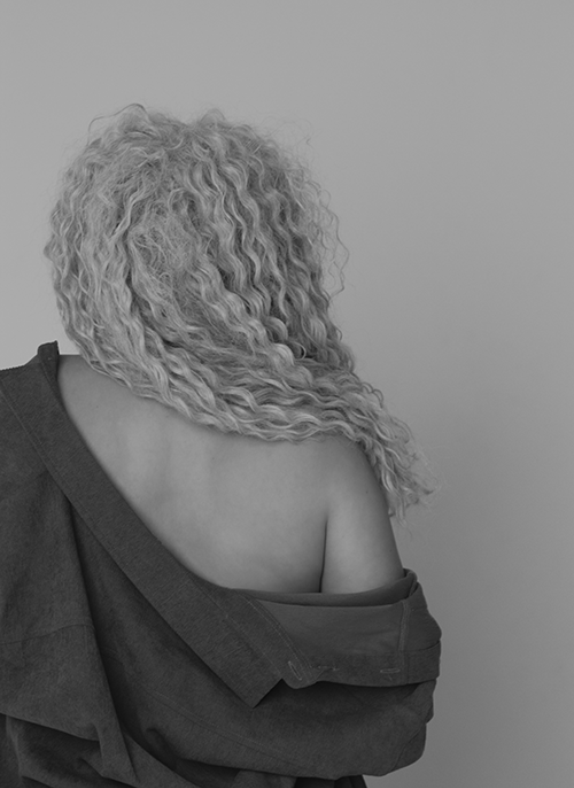
Building a Hair Care Routine That Works for You Now
We need to accept that our hair needs a different kind of care than it did maybe 10 years ago. We need to be kinder and gentler to how we treat our hair. The products that worked for us in the past may no longer work as well for our changing hair, we shouldn’t look at it as a failure, it’s simply part of a shift that’s worth responding to with more intention.
Gentle care for hair that’s changing with you.
1. Rethink Your Shampoo
Many of us have used the same shampoo and conditioners for many years without giving it a second thought, but some of the shampoos that contain sulphurs (the foaming agents) may be stripping our scalp of the natural oils it’s already struggling to produce. Switching to a gentler shampoo is one of the simplest changes you can make.
Opting for shampoos formulated for thinning, fine or mature hair could help. Avoiding heavily fragranced shampoos that may irritate your sensitive scalp, and looking for formulars with the following ingredients might be worth trying:
- keratin for hair strength.
- Biotin, (also called vitamin B7) helps contribute to healthy hair and skin, biotin is also found in foods like beef, liver, eggs, salmon, sunflower seeds, sweet potatoes and almonds.
- Collagen coats hair and smooths the hair shaft, improves the softness and manageability, reduces frizz and adds shine
- Vitamin C & Vitamin E support the circulation of blood to the scalp which may help strengthen hair follicles.
- Niacinamide supports blood circulation to the scalp, can also improve the texture and feeling of dry damaged hair.
- Aloe Vera can help to calm an itchy or irritated scalp
2. Make Conditioning a Priority
If deep conditioning has been an optional extra in the past, (it sometimes has been for me) now is the time to make it non-negotiable. With the combination of lower sebum production, hormonal fluctuation, and years of styling, perimenopausal hair tends to be quite thirsty – brittle and dry hair breaks easier than nourished hair.
Use a rich conditioner every time you wash your hair, and once a week treat your hair to a deep conditioning mask or hair oil treatment; left on for at least 20-30 minutes. Ingredients to look for are: Argan oil, Shea butter, ceramides, hyaluronic acid, and squalane, these aren’t just luxury additions, they help restore moisture, smooth the cuticle, and help to reduce breakage.
3. Be Gentler with Your Styling Habits
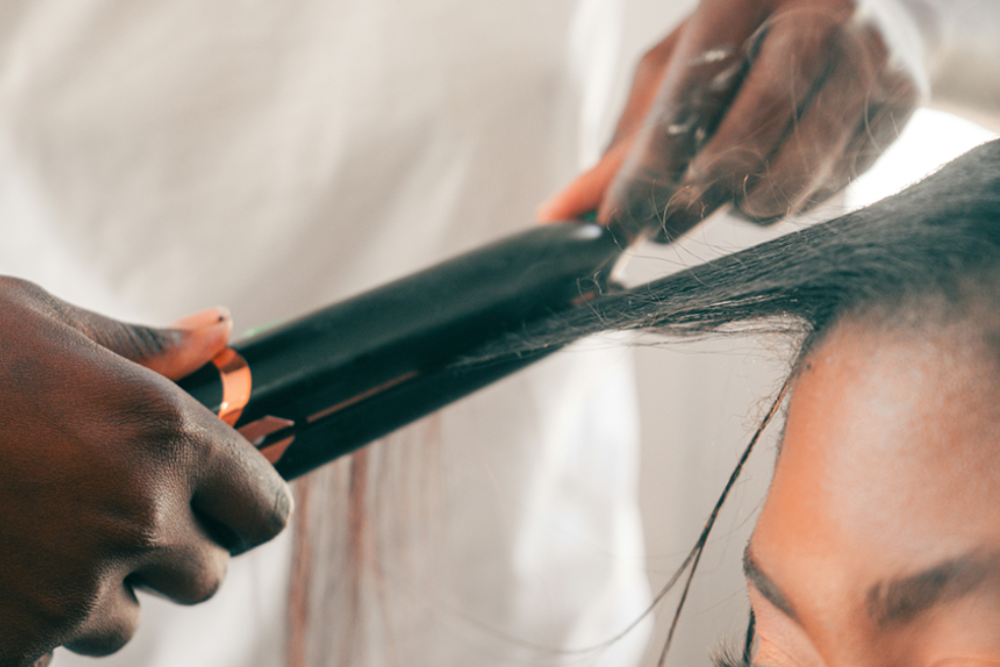
Reassess anything that puts an added strain or heat stress on your hair. A few adjustments could help to make a difference:
Turn the heat down on styling tools – using a good quality heat protectant serum or spray
Using a wide-tooth comb when combing through hair is better for hair prone to breakage
Loosen tight hairstyles – Tight plaits, ponytails, or buns over time can cause or contribute to traction alopecia. Wear your hair loose at times, so that it can breathe.
Pat, don’t roughly rub your hair with a towel or try using a microfibre towel
4. Give Your Scalp the Attention It Deserves
Scalp health is the foundation of hair heath. A congested, dry or inflamed scalp cannot support optimal hair growth. We need to think of our scalps as an extension of our skincare routine, giving it as much care, as we do with our face.
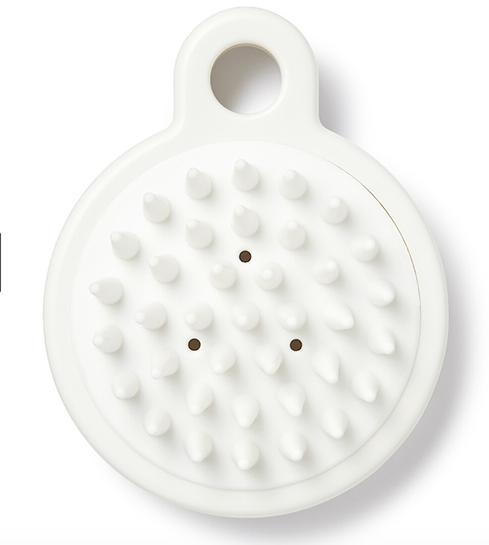
A gentle weekly scalp massage, even for just five minutes with your fingertips or a silicone scalp brush, can help to improve follicle circulation.
Do it while you’re shampooing through your hair, or with a nourishing oil.
5. Nourish Your Hair from the Inside
Hair is made from protein. If your diet is missing key nutrients, your hair can reflect that, eating a healthy balanced diet supports your scalp and hair health, giving you the nutrients needed to help your hair flourish:
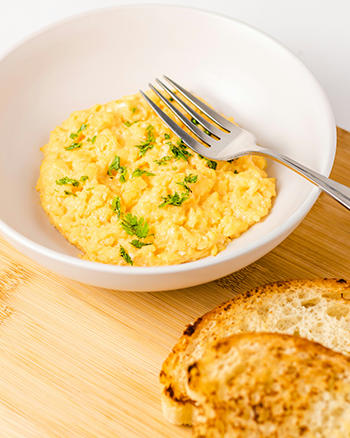
Protein is the starting point. Our hair consists primarily of keratin (a type of protein) not eating enough protein is one of the fastest routes to increase shedding and weakened strands. Include a quality protein source like eggs, fish, chicken, legumes, tofu or Greek yogurt in each meal.
Iron an iron deficiency is one of the most common causes of hair loss in women,
6. When to Seek Medical Support
If your hair loss is significant, or accompanied by other symptoms like fatigue, unexpected weight changes, or brittle nails, it’s worth speaking to you GP to rule out other conditions.
Medical and Professional Options
• Hormone Replacement Therapy (HRT) is worth a conversation with your doctor if you’re not already on it. Oestrogen helps maintain hair follicle function, and some women find that HRT stabilises or even partially reverses perimenopause hair changes, it may not be the right choice for everyone, but it’s a conversation worth having.
• Minoxidil – A topical treatment said to stimulate hair growth – it’s recommended you see your GP beforehand to check if it’s suitable for you and to ensure your hair loss is not due to any underlying issues.
• A Trichologist – A specialist in hair and scalp health, can be a great resource if you are looking for a personalised assessment. They can exam your scalp and hair pattern, identify the type of loss you’re experiencing, and make recommendations for targeted treatments.
Your hair changing in perimenopause can be tough, as our hair has always been our crowning glory! It can change how you see yourself, knock your confidence, and can be hard to explain to anyone who hasn’t experienced it, your feelings are valid, and they need to be listened to and not ignored or dismissed.
Our hair is tied to our identity and self-image, losing even a small amount can really affect your mood and mental health.
Connecting with support groups, speaking to your GP, or having therapy with someone who deeply understands perimenopause, can be as valuable.
Quick Reference Summary:
Where to Start
- Swap to a gentle, sulphur free shampoo
- Deep condition your hair once a week with a nourishing hair mask
- Add a weekly scalp massage into your haircare routine
- Include protein, iron, and vitamin D into a heathy balanced diet
- Talk to your GP
- Be patient, consistent, and kind to yourself – hair responds slowly
This article is for informational purposes and does not constitute medical advice. Always consult a qualified healthcare professional for guidance tailored to your individual needs.
Disclosure: A link in this article is an affiliate link, meaning I may earn a commission if you make a purchase through it, at no additional cost to you.